Placemaking 6 min read
Moving visitors off the honeypot.
Dispersal usually means a map and hope. What actually moves visitors to a quieter route, and the village that ends up paying for it when it half works.
Published 14 October 2026
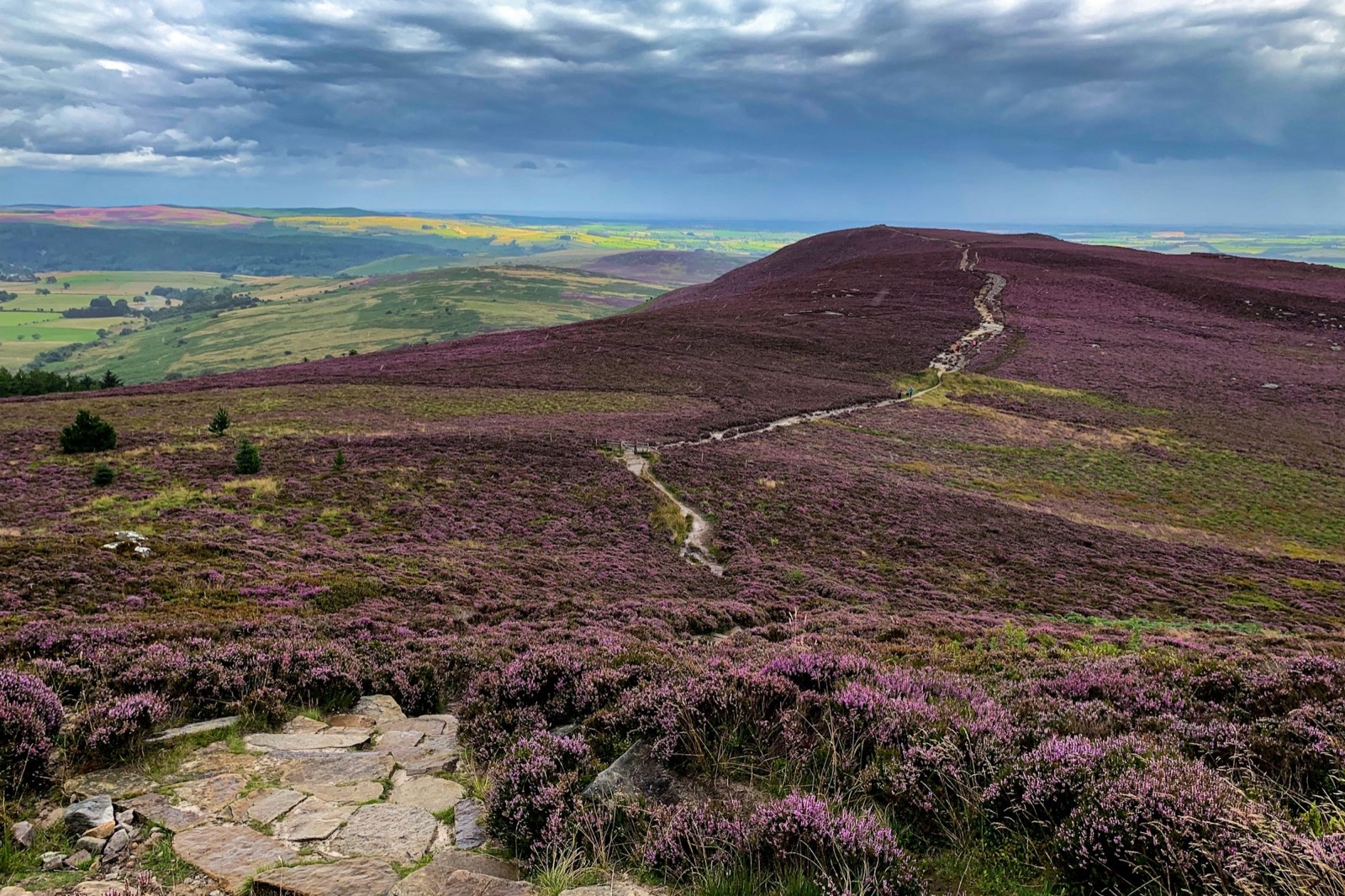
The Westmorland and Furness Way opened on 15 September: 120 miles across Cumbria in six stages, with new waymarking and heritage boards, launched with the hope that it will "encourage people to stay longer and explore beyond the usual tourist hotspots". The launch said nothing about how anyone will know whether it does, and that is the problem with most dispersal in one route.
It is a good route, and the hope is reasonable. But dispersal mostly fails because it is attempted as discouragement, and it works only when it gives people a reason to go somewhere specific. Without a way of seeing who goes where, nobody finds out which of the two they built.
A map and hope
The standard visitor dispersal strategy is a map, a leaflet and a line on a website asking people to consider alternative routes. On a busy weekend it adds a sign at the car park entrance saying the car park is full.
None of it works, for a simple reason. People decide where they are going before they leave home, and they decide on the place they have seen. The Peak District takes up to 26 million visits a year, most of them by car, and most of those drivers set off with a specific place in mind, often because of a photograph someone else took there. A leaflet in the car park reaches them after the decision. A website line asking them to go elsewhere asks them to give up the thing they came for in exchange for fewer people, and fewer people is not a reason to drive another forty minutes.
So the visitors who read the sign mostly go home, or park somewhere they shouldn't, or come back at the same time next week. The honeypot stays busy, and a report says the dispersal campaign reached a large number of people.
A reason to go somewhere
What moves people is a destination with a reason attached. A named place, a thing to see when you get there, a route with a beginning and an end, a story that makes the quieter valley worth the drive in its own right. Discouragement offers less of what the visitor wanted. A reason offers something different, and people will take something different if it is good and they hear about it in time.
The Westmorland and Furness Way has the beginnings of one. Its planned Walker's Passport, with stamping points at venues along the route, gives people a reason to reach the next place, and the council says the profits will go towards keeping the route open. A collectable reason works because it is about the next stop rather than about avoiding the last one.
The timing of the message matters as much as the reason itself. The route has to be in front of people at the point they decide, which is online, days before, in the same places the honeypot is. A quieter route promoted only at the honeypot is promoted to people who have already arrived.
The village that pays for it
When it half works, pressure moves. It moves onto whatever the alternative route passes through, and that is often a small place with one lane in, a dozen parking spaces and no toilets, which nobody asked.
The Peak District National Park Authority's own evidence for its local plan review describes the pattern. At workshops on recreation and tourism, people noted that "the use of social media has encouraged large numbers of visits to small and less accessible sites", with the same problems as the busy ones. Parish statements raise concerns about parking in villages. It is what happens when attention moves faster than parking, toilets and lanes can.
The village that was never consulted now has a problem it didn't have in March. Cars on verges, a farm gate blocked, a lane the bus can't get down on a Sunday afternoon. The parish council finds out from residents, and the first it hears of the route is the complaint. Every future plan for that valley starts from that meeting.
How you would know
Dispersal is a claim about two places at once. Pressure fell here, and people went there instead. To make it you need evidence from both ends, and most projects have evidence from neither.
At the honeypot, that usually means car park counts or path counters on the days that matter, which are the busy ones. A strategy that moves people on a wet Tuesday in February has moved nobody who needed moving. At the new route, it means knowing how many people started it, which stops they reached, and when. If the walkers on the quieter route turn up on the same bank holiday weekends the honeypot is overwhelmed, the route is doing its job. If they turn up on quiet weekdays, it has found a new audience, which is good in itself and isn't dispersal.
Dispersal can also be in time rather than place. The same honeypot at eight in the morning is a different place from the same honeypot at eleven, and a route that sends people to it early, or through it the other way round, can take pressure off without asking anyone to give up the view. It needs the same evidence: what time people actually arrive, before and after.
None of this works if it is added after launch. Decide what you will count, at both ends, before anything is promoted. The method is the one in proving a trail worked once the funding has gone, and the same discipline of small, defensible claims applies here as it does when a BID takes evidence to a ballot.
In the right order
National parks have two statutory purposes: to conserve and enhance the natural beauty, wildlife and cultural heritage of the area, and to promote opportunities for people to understand and enjoy it. Where the two conflict, conservation comes first. Since the Levelling-up and Regeneration Act 2023, other public bodies have had to seek to further those purposes rather than simply have regard to them. Dispersal sits right on the line between the two, which is why the order of work matters.
Talk to the parish before the route is drawn, not after it is printed. Put in the parking, the toilets and the bins the new route will need, or choose a route that doesn't need them. Agree with whoever manages the place what busy will look like and what happens then. A route can be paused as easily as it can be promoted. If the parking at the start is full by ten on a Saturday, promotion for that weekend stops, the published route says where else to park or when to come instead, and the parish knows in advance that this is what will happen. A threshold agreed in a meeting in February is worth more than an apology in August. Then promote it, and promote it to people at the point they are deciding, for the days the honeypot can't cope.
Do it the other way round and the route arrives in a valley that wasn't ready for it, the parish council learns about it from a resident with a blocked gate, and the park has made an enemy it will be negotiating with for years.
If you're planning a route to take pressure off somewhere and want to work out what to measure at both ends before it opens, send us the map.
Filed under Placemaking
Back to Journal